

In recent years, technology has been revolutionizing various sectors, and healthcare is no exception. One of the innovative technologies making waves is the video kiosk. As a video kiosk supplier, I've witnessed firsthand the potential these machines hold in healthcare facilities. In this blog, we will explore whether a video kiosk can indeed be used effectively in such settings.
Understanding Video Kiosks
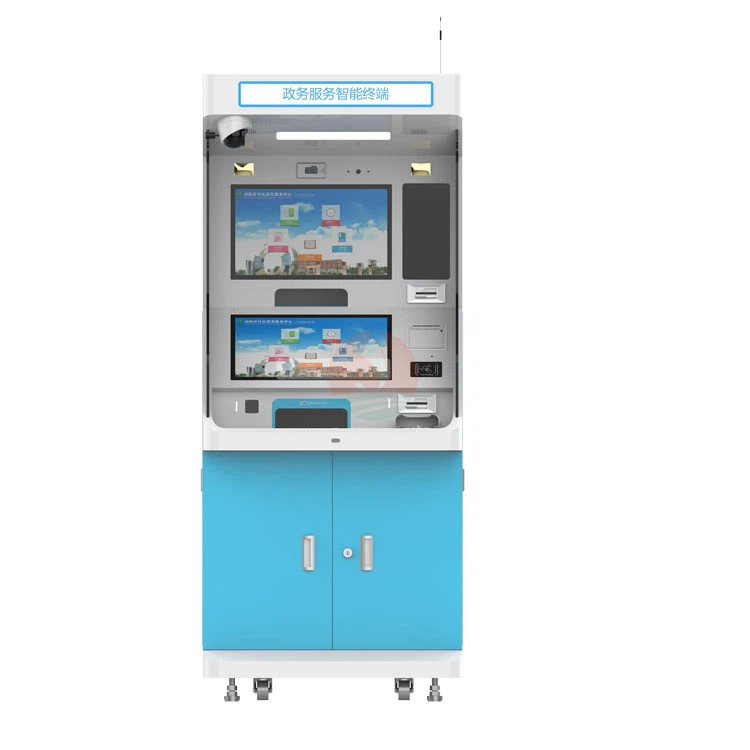
Before diving into their application in healthcare, it's essential to understand what video kiosks are. A video kiosk is an interactive self - service terminal equipped with a screen that can display visual content, such as videos, images, and text. It often has touch - screen functionality, enabling users to interact with the system easily. These kiosks can be customized to perform a wide range of tasks, from providing information to facilitating transactions.
Potential Uses of Video Kiosks in Healthcare Facilities
Patient Registration and Check - in
One of the primary bottlenecks in healthcare facilities is the patient registration and check - in process. Long queues and paperwork can lead to patient frustration and inefficiencies. Video kiosks can streamline this process significantly. Patients can use the kiosk to enter their personal information, insurance details, and reason for the visit. The kiosk can then generate a unique patient ID and direct the patient to the appropriate waiting area. This reduces the workload on administrative staff and speeds up the overall check - in process.
Health Education and Information
Video kiosks can serve as valuable sources of health education. They can display educational videos about various medical conditions, preventive measures, and treatment options. For example, a kiosk in a cancer treatment center could show videos about different types of cancer, their symptoms, and the latest research on treatment. This empowers patients with knowledge, allowing them to make more informed decisions about their health.
Telemedicine
Telemedicine has become increasingly popular, especially in light of the COVID - 19 pandemic. Video kiosks can act as a bridge between patients and healthcare providers in remote locations. Patients can use the kiosk to have video consultations with doctors, nurses, or specialists. These kiosks can be equipped with high - quality cameras and microphones to ensure clear communication. Moreover, they can integrate with existing healthcare systems to access patient records during the consultation.
Pharmacy Services
In a healthcare facility's pharmacy, video kiosks can be used to dispense medication. Patients can present their prescriptions at the kiosk, which will then verify the prescription and dispense the appropriate medication. Additionally, the kiosk can provide information about the medication, such as dosage, side effects, and storage instructions. It can also allow patients to refill their prescriptions and track the status of their refills.
Advantages of Using Video Kiosks in Healthcare
Efficiency
By automating many of the administrative and informational tasks, video kiosks improve the overall efficiency of healthcare facilities. They reduce the time patients spend waiting in line and the time staff spends on repetitive tasks. For example, in a large hospital, a video kiosk can handle multiple patient registrations simultaneously, freeing up administrative staff to focus on more complex tasks.
Patient Engagement
Video kiosks make the patient experience more engaging. The interactive nature of these kiosks encourages patients to learn more about their health and take an active role in their care. When patients are better informed, they are more likely to follow treatment plans and make healthy lifestyle choices.
Accuracy
Manual data entry is prone to errors, which can have serious consequences in healthcare. Video kiosks ensure that patient information is entered accurately, as they can validate data in real - time. For example, when a patient enters their insurance details, the kiosk can immediately check if the information is correct and prompt the patient to correct any errors.
Cost - Effectiveness
Implementing video kiosks can lead to cost savings in the long run. While there is an upfront cost associated with purchasing and installing the kiosks, the reduction in administrative staff and increased efficiency can offset these costs over time. For instance, a healthcare facility may be able to reduce the number of administrative employees required to handle patient registrations.
Challenges and Considerations
Technical Issues
Like any technology, video kiosks are prone to technical problems. Software glitches, hardware failures, and network issues can disrupt the normal operation of the kiosks. Healthcare facilities need to have a reliable IT support team in place to quickly resolve any technical issues that arise.
Patient Acceptance
Some patients may be hesitant to use video kiosks, especially those who are not tech - savvy. Healthcare facilities need to provide adequate training and support to help patients feel comfortable using the kiosks. This could include on - site staff to assist patients, as well as clear and easy - to - follow instructions on the kiosk screen.
Data Security and Privacy
Healthcare data is highly sensitive, and protecting patient privacy is of utmost importance. Video kiosks need to be equipped with robust security measures to ensure that patient information is not compromised. This includes encryption of data, secure authentication methods, and regular security audits.
Comparison with Similar Kiosk Technologies in Other Sectors
In the banking sector, similar kiosk technologies have been widely adopted. For example, the Self Service Banking Kiosk and Kiosk Atm have transformed the way customers interact with banks. These kiosks allow customers to perform transactions such as withdrawals, deposits, and account inquiries. Similarly, the Bank Video Teller enables customers to have video consultations with bank staff.
The experience in the banking sector can provide valuable lessons for healthcare facilities. For instance, the security measures and user - friendly interfaces developed for banking kiosks can be adapted for video kiosks in healthcare.
Conclusion
In conclusion, video kiosks have significant potential to be used in healthcare facilities. They can streamline administrative processes, provide valuable health information, facilitate telemedicine, and improve the overall patient experience. However, to fully realize their benefits, healthcare facilities need to address the challenges related to technical issues, patient acceptance, and data security.
If you're interested in exploring how video kiosks can enhance the efficiency and patient experience in your healthcare facility, we invite you to reach out for a procurement discussion. As a leading video kiosk supplier, we have the expertise and solutions to meet your specific needs.

References
- [1] Hancox, A., & Murphy, S. (2018). The Use of Technology in Healthcare Administration. Journal of Healthcare Management, 63(3): 213 - 227.
- [2] Zeng, J., & Zhang, Y. (2020). Telemedicine Technology and Its Impact on Healthcare Delivery. International Journal of Medical Informatics, 141: 104184.
- [3] Gelinas, V., & Sutton, S. (2021). Data Security in Healthcare Information Systems. Healthcare Information Management Journal, 45(1): 72 - 79.