

Custom kiosks are versatile and can be tailored to meet a wide range of business needs. As a custom kiosk supplier, I have had the privilege of working with various clients to design and manufacture kiosks that serve different purposes. In this blog post, I will explore the different types of custom kiosks available in the market and their unique features.
1. Information Kiosks
Information kiosks are among the most common types of custom kiosks. They are designed to provide users with access to information in a self - service manner. These kiosks can be found in public places such as malls, airports, museums, and libraries.
The main function of an information kiosk is to offer detailed information about a particular location, event, or service. For example, in a mall, an information kiosk might provide maps of the mall, details about stores, opening hours, and special promotions. In an airport, it can offer flight information, terminal maps, and transportation options.
Information kiosks are usually equipped with large touch - screen displays, which make it easy for users to navigate through different menus and access the information they need. They can also be integrated with databases to ensure that the information is up - to - date. Some information kiosks may also include features such as printing capabilities, allowing users to print out maps or information.
2. Digital Kiosk
Digital kiosks take the concept of information kiosks to the next level. They are highly interactive and can incorporate multimedia elements such as videos, animations, and audio. Digital kiosks are often used in marketing and advertising campaigns to engage with customers in a more dynamic way.
These kiosks can be customized to display targeted content based on the time of day, location, or user demographics. For instance, a digital kiosk in a coffee shop might display different promotions in the morning for coffee lovers and switch to food and dessert promotions in the afternoon.
Digital kiosks are also used in educational institutions to provide students with interactive learning materials. They can display virtual tours of historical sites, scientific experiments, and other educational content. With the advancement of technology, digital kiosks can be connected to the internet, enabling real - time updates and remote management.
3. Touch Screen Computer Kiosks
Touch screen computer kiosks are essentially self - contained computer systems with a touch - screen interface. They are commonly used in business environments for tasks such as self - check - in, order processing, and inventory management.
In a hotel, guests can use touch screen computer kiosks to check - in and out without having to wait in line at the front desk. The kiosk can access the hotel's reservation system, verify the guest's information, and issue room keys. Similarly, in a fast - food restaurant, customers can use these kiosks to place their orders, customize their meals, and pay for their food.
Touch screen computer kiosks can be configured with different software applications depending on the specific requirements of the business. They can also be integrated with barcode scanners, card readers, and printers to enhance their functionality.
4. Transactional Kiosks
Transactional kiosks are designed for handling financial and non - financial transactions. They are commonly used in banks, retail stores, and transportation systems.
In a bank, transactional kiosks can be used for tasks such as cash withdrawals, deposits, account balance inquiries, and bill payments. These kiosks are equipped with secure card readers, cash dispensers, and receipt printers to ensure smooth and secure transactions.
In a retail store, transactional kiosks can be used for self - checkout. Customers can scan their items, apply coupons, and pay for their purchases using various payment methods such as credit cards, debit cards, or mobile payments. Transactional kiosks help to reduce the need for traditional cashier - operated checkout lanes, improving efficiency and customer satisfaction.
5. Advertising Kiosks
Advertising kiosks are primarily used for promoting products and services. They are usually placed in high - traffic areas such as shopping centers, subway stations, and entertainment venues.
These kiosks can display static or dynamic advertisements. Static advertisements are simple posters or images, while dynamic advertisements can include videos, slideshows, and interactive content. Advertising kiosks can be programmed to display different ads at different times or based on user interactions.
For example, if a user approaches an advertising kiosk and touches the screen, the kiosk might display a more detailed advertisement or offer a special promotion. Advertising kiosks can also collect data on user interactions, such as the number of times an ad is viewed or the time spent on each ad, which can be used to measure the effectiveness of advertising campaigns.
6. Wayfinding Kiosks
Wayfinding kiosks are designed to help people navigate through large and complex spaces. They are commonly found in hospitals, airports, and corporate campuses.
In a hospital, wayfinding kiosks can provide patients and visitors with maps of the hospital, directions to different departments, and information about the location of elevators, restrooms, and waiting areas. The kiosk can also be integrated with the hospital's internal communication system to provide real - time information about the availability of doctors and the status of appointments.
Wayfinding kiosks use advanced mapping technology and can be customized to display different levels of a building or campus. They can also be updated easily to reflect any changes in the layout or facilities.
7. Electric Kiosk
Electric kiosks are a specialized type of kiosk that is designed to provide electric charging services. They are becoming increasingly popular as the use of electric vehicles and mobile devices grows.

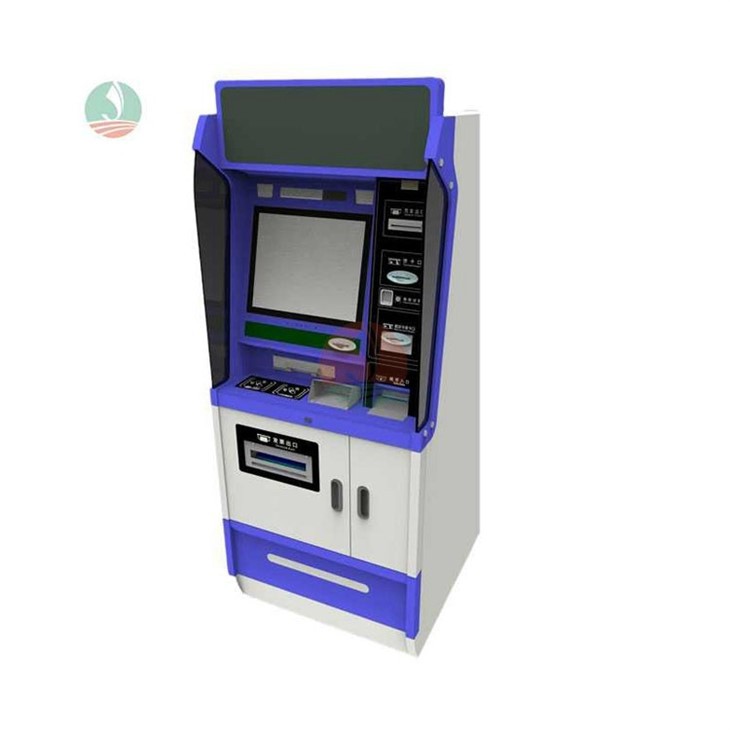
In a parking lot or a public area, electric kiosks can be used to charge electric cars. These kiosks are equipped with charging cables and connectors that are compatible with different types of electric vehicles. They can also display information about the charging process, such as the charging rate, estimated time to full charge, and the cost of charging.
Electric kiosks can also be used for charging mobile devices such as smartphones and tablets. They are usually equipped with multiple charging ports and can support different charging standards.
8. Interactive Kiosks
Interactive kiosks are designed to engage users in a two - way communication. They can be used for a variety of purposes, including surveys, games, and customer feedback collection.
In a shopping mall, an interactive kiosk might invite shoppers to participate in a survey about their shopping experience. The kiosk can display questions on the screen, and users can answer them using the touch - screen interface. The data collected from these surveys can be used by the mall management to improve the services and facilities.
Interactive kiosks can also be used for entertainment purposes. For example, a kiosk in an amusement park might offer games or virtual reality experiences to attract visitors.
Conclusion
As a custom kiosk supplier, I understand the importance of choosing the right type of kiosk for your business. Each type of custom kiosk has its own unique features and benefits, and the choice depends on factors such as the purpose of the kiosk, the location where it will be installed, and the target audience.
If you are interested in purchasing a custom kiosk for your business, I encourage you to contact me to discuss your specific requirements. I can provide you with detailed information about the different types of kiosks, help you choose the most suitable one for your needs, and offer customized solutions to meet your budget and timeline.
References
- Smith, J. (2020). The Future of Kiosk Technology. Journal of Retail Technology, 15(2), 34 - 45.
- Johnson, A. (2019). Custom Kiosks: A Guide for Businesses. Business Technology Review, 22(3), 56 - 67.
- Brown, C. (2018). Trends in Kiosk Design and Functionality. International Journal of Information Technology, 12(4), 78 - 89.